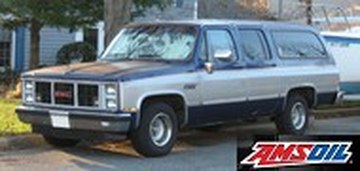
Maintaining Lubrication Standards for the 1981 Gmc Trucks SUBURBAN 5.7L
Proper engine care for a vehicle like the 1981 Gmc Trucks SUBURBAN 5.7L involves more than just periodic fluid changes; it requires a consistent approach to monitoring mechanical health and ensuring that all lubrication components are functioning as intended. For an engine of this era, maintaining a clean and effective lubrication system is a primary factor in long-term operational stability.
Monitoring Fluid Integrity and Potential Leaks
One of the most effective ways to monitor the health of the 5.7L engine is through regular visual inspections for fluid seepage. Over time, various gaskets and seals may experience changes in their ability to maintain a tight seal. When performing routine maintenance, it is helpful to look for signs of oil residue around the engine block or at connection points.
If you notice fresh oil appearing on the underside of the vehicle or pooling near the engine, this warrants further investigation. It is important to note that visible seepage does not always indicate a catastrophic failure; however, addressing small leaks early can prevent more significant issues later. Additionally, checking the appearance of the oil itself during a dipstick inspection can provide clues about the engine's internal state. Oil that appears excessively dark, gritty, or contains unusual odors should be evaluated to determine if the service interval needs to be adjusted or if there is an underlying cause for the rapid degradation.
Systematic Inspection of Engine Components
Beyond the oil itself, several peripheral components play a role in the overall maintenance environment of the 1981 Gmc Trucks SUBURBAN. A thorough inspection should include any accessible belts or hoses that are present on the engine. If equipped, drive belts should be examined for signs of wear such as cracking, glazing, or fraying. Similarly, if the vehicle is equipped with various cooling or vacuum hoses, these should be checked for brittleness or soft spots that could indicate impending failure.
Electrical connections and wiring harnesses also benefit from periodic observation. Ensuring that connectors are secure and free from corrosion helps prevent erratic sensor readings or electrical interference that could affect engine performance. By combining these visual checks with regular oil monitoring, an owner can develop a comprehensive understanding of the vehicle's current mechanical condition.
Managing Maintenance History and Baselines
For owners of a 1981 model, establishing a clear maintenance baseline is highly beneficial, especially if the previous service history is incomplete. A maintenance baseline is essentially a documented starting point that tracks what has been done, when it was done, and what the current condition of the vehicle is. If you are unsure of when the oil or filters were last replaced, treating your first service as the "new" baseline allows you to track future changes with precision.
Keeping detailed records of all fluid changes, filter replacements, and any repairs performed can assist in identifying patterns. For example, if you notice that oil consumption increases over a specific period, having a record of previous oil levels and service dates will help you determine if this is a gradual change or a sudden development. This data-driven approach moves maintenance from a reactive process to a proactive one, allowing for more informed decisions regarding the longevity of the 5.7L engine.
Observing Operational Warning Signs
While many issues can be caught during a stationary inspection, some signs only become apparent while the vehicle is in operation. It is important to remain attentive to how the engine behaves under different loads and temperatures. Any sudden changes in mechanical noise—such as rhythmic tapping or heavy knocking—should be investigated immediately, as these can be associated with various internal lubrication or mechanical conditions.
Changes in exhaust characteristics are another indicator worth noting. While certain exhaust colors can be caused by many different factors, any new or persistent smoke should be treated as a signal to inspect the engine more closely. Furthermore, if an oil pressure indicator illuminates on the dashboard, this is a critical signal that requires immediate attention to prevent potential damage. Because symptoms like noise, smoke, or pressure changes can have multiple underlying causes, they should be viewed as prompts for professional diagnosis rather than definitive proof of a single failed part.
Prioritizing Service Tasks Based on Condition
As vehicles age, the approach to maintenance often shifts from strictly following a calendar to focusing on the actual condition of the components. Rather than replacing parts simply because they are old, it is more effective to prioritize tasks based on what the vehicle actually requires. This means distinguishing between preventive maintenance—such as regular oil changes—and the replacement of components that show tangible signs of wear.
If you encounter an active leak or a component that is showing significant deterioration, these should take precedence over other non-essential service items. By addressing active issues first and then moving into routine monitoring, you ensure that resources are directed toward the most impactful maintenance activities. This condition-based strategy helps in managing the upkeep of a classic truck efficiently without performing unnecessary work.
Practical Guidance for Buying Engine Oil for the 1981 Gmc Trucks SUBURBAN 5.7L
When it is time to replenish your engine's lubrication, the most important step is to ensure that the product you select matches the specific requirements of your application. To ensure accuracy, always match the engine oil to the vehicle-specific viscosity and application information already displayed on this webpage.
As you shop for lubricants, consider the following practical tips:
- Verify Product Labels: Always check the container to ensure the SAE viscosity matches what is listed in your application information.
- Evaluate Formulations: Depending on your specific needs and the condition of your engine, you may choose between conventional oil, synthetic blends, or full synthetic options. Some high-mileage formulations also include seal-conditioning additives which may be useful for aging engines.
- Check Certifications: Look for appropriate API (American Petroleum Institute) service classifications on the bottle to ensure the oil meets modern quality standards for lubrication and engine protection.
- Avoid Assumptions: Do not rely on general knowledge or assumptions based on the vehicle's age; always defer to the specific information provided in your vehicle's documentation or the data shown on this page.